


Digital
THE VIEW FROM LONDON JUNE 2019
UK house prices grew at 0.6% in May, amid continued Brexit uncertainty. Sales are improving in London’s Prime markets, where most buyers and sellers are now accommodating the impact of changes in Stamp duty and fewer are allowing Brexit uncertainties to interfere with their longer term property strategies. As a consequence, specialist analysts of market sentiment, such as HIS Markit, are reporting improved sentiment metrics:
Prime London Prices
As sentiment in Prime London has improved, so have transaction volumes: Knight Frank report significant Q1 2019 growth in the number of offers made in Prime Central London, as buyers position themselves for life after Brexit – in some cases buying properties they have been following since the PCL Correction began.
Discounts on asking prices are still a feature of the market, but many feel that now is the time to submit offers, while properties and discounts remain available. According to LonRes, discounts off asking prices in Prime Central London have recently been averaging 13%. Discounts on “super prime” homes (worth more than £10m) have recently been as high as 21%.
Most Prime London agents we work with are reporting anxiety over stock shortages, not least, because many vendors, who previously struggled to sell their properties, removed them from availability, by renting them out. Prime London rents are particularly sensitive to stock levels – the number of tenancies agreed in Prime London increased 11% in the year to April 2019 versus the previous 12-month period, not least because some buyers have chosen to rent before purchasing in the face of political uncertainty – Prime rents in Central London were 0.2% higher over the year to January 2019.
The fact that Prime London prices now stand 17% below their 2014 peak may seem off-putting to some. Medium and long term investors need to place this statistic into perspective, however:
- The 12% fall in Prime Central London prices from March 2015, only eroded just over a year’s worth of gains, prior to the peak (Cushman Wakefield).
- The recent downturn is comparatively shallow compared to previous ones. (Individual markets will vary but) an average decline of 12.9% in PCL is lower than the 22.3% decline during the global financial crisis and the 10.6% decline witnessed during the UK recession of the late 1980s.
Other interesting new trends are developing in the Prime London markets:
- For instance, significant US purchasers who had been quiet for some time in London, have started purchasing again, partly prompted by US Dollar strength, which, when combined with correcting prices, can result in c.40% price reductions for US Dollar denominated purchasers, in comparison to peak Prime London prices:
- One such purchaser was US fund manager Ken Griffin, who recently purchased residences on Carlton House Terrace (£95m) and atop the Peninsular Hotel (£100m).
- This trend is spreading to include lower priced purchases in Battersea, Clapham and Camden, by senior staff from US firms such as Apple, Google and Yahoo, all of whom have recently opened large offices nearby, in locations such as Battersea Power Station and Kings Cross.
With the recent announcement of an extension to the proposed Brexit date, to October 2019, prospective purchasers who have been waiting for clarity on the UK economy, may now need to decide whether to continue to wait (and perhaps miss the market opportunities arising from vendor-nerves), or to enter the market and purchase a London investment property, or residence.QIB (UK)’s property specialists are well positioned in the London markets, to help deliver bespoke residential opportunities, and all necessary financing and purchasing support, along with introductions to leading professionals in the fields of property maintenance and management, for those without appropriate resources of their own in the UK.


Related News
 Digital
 Digital
 Digital
 Digital
 Digital
 Digital
 Digital
 Digital
 Digital
 Digital
 Digital
 Digital
15-07-2018

QIB Profit grows by 13.8% to reach QAR 1,325.3 Million for six months’ period ended 30th June 2018 Total Assets reach QAR 152.5 Billion
Read More
 Digital
 Digital
 Digital
18-10-2017
QIB Profit grows by 10.6% to reach QAR 1,775 Million for the nine months’ period ended 30th September 2017
Read More
 Digital
 Digital
 Digital
 Digital
 Digital
 Digital
16-04-2017
QIB Profit grows by 13% to reach QAR 555 Million for three month period ended 31st March 2017
Read More
 Digital
 Digital
 Digital
 Digital
 Digital
12-06-2016
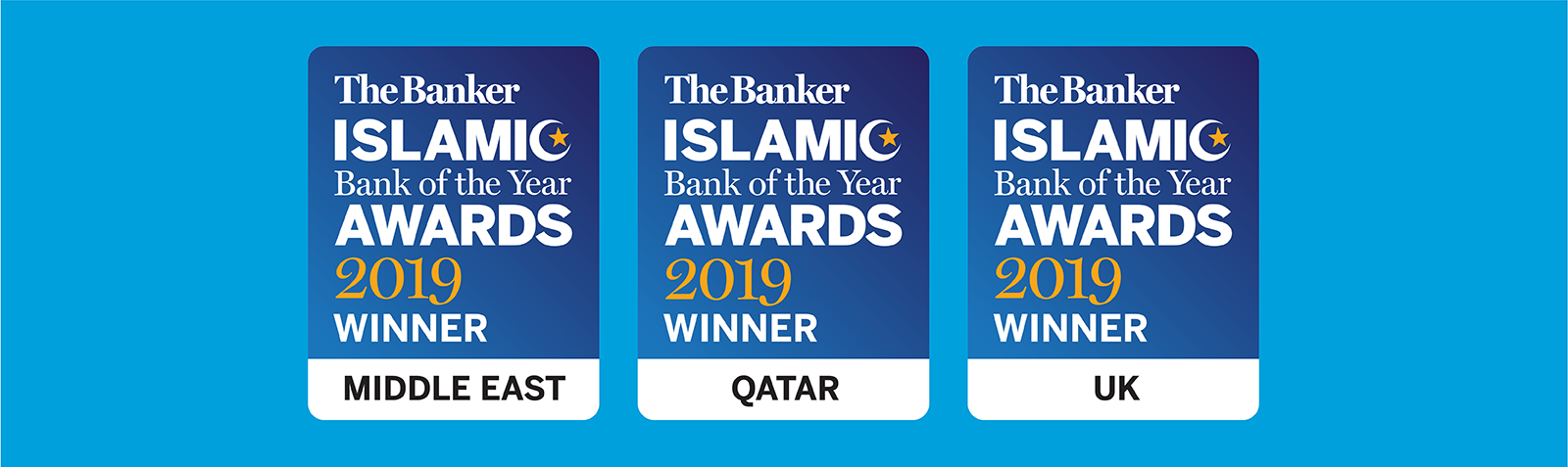
QIB Named ‘Islamic Bank of the Year’ in Qatar and the Middle East by The Banker
Read More
 Digital
05-06-2016
QIB Recognised as “Best Bank in Qatar” at the Annual Euromoney Awards for Excellence
Read More
 Digital
20-04-2016
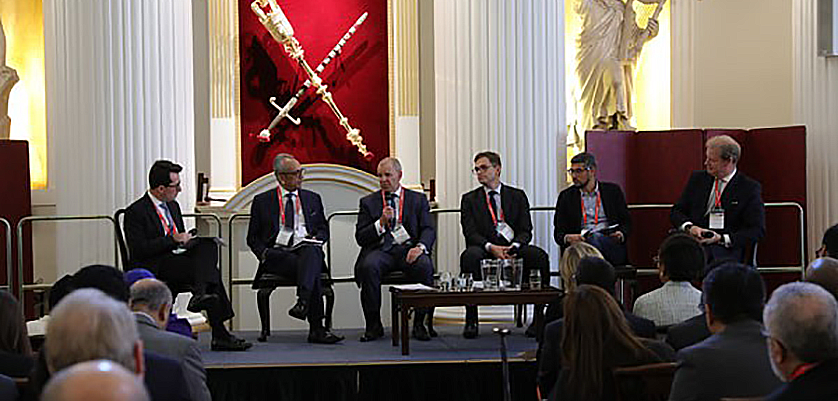
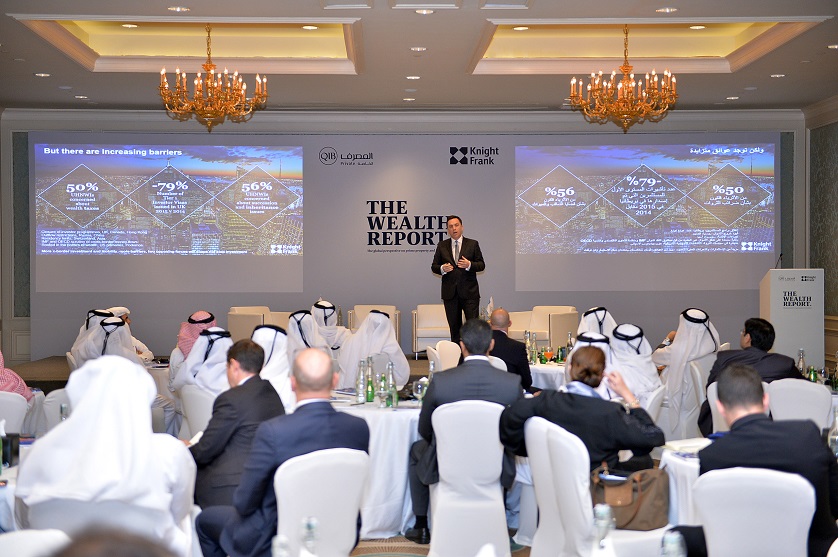
Qatar Islamic Bank Hosts Exclusive Preview of the Knight Frank 2016 Wealth Report
Read More
 Digital
 Digital
 Digital