


Digital

THE BREXIT EFFECT – FACT OR FICTION?
Prime Central London (“PCL”) residential properties appeal to international HNW investors, for very good reasons: They provide investors with balanced capital and income growth potential AND high quality residences, convenient for vacations, business travel and student accommodation.
There has been much recent speculation concerning the impact on the PCL residential property markets, of the result of the 2016 “Brexit” referendum – and its lengthy and incomplete passage into law.
The referendum occurred during the PCL residential market’s recent correction. This led many to conclude that the two events were directly connected and that the Correction must therefore persist, until well after the UK eventually “Brexits”.
This may not be correct: The PCL residential markets have long performed cyclically. Recent cycles have been associated with specific global events that prompted international capital re-reallocations to and from PCL residential property. Examples of such events have included the 1970’s energy re-pricings and the “flights to safety” that followed the Global Financial and Euro crises.
- The cyclical correction that PCL has recently experienced was NOT triggered by Brexit. It commenced before the Brexit referendum, following intentional action by the UK government, aimed at balancing-out UK house price growth, to help lower- income “first-time buyers” and protect the broader economy:
- Prior to the recent PCL Correction, PCL prices had rapidly bounced back following the sharp falls that occurred during the Global Financial Crisis. Indeed, PCL prices rose by as much as 20% in the 12 months to June 2014), as global wealth flooded back into London, seeking safe-haven investment opportunities. It had taken just 7 months for PCL residential prices to recover to pre-Crisis levels.
- The government used taxation to re-balance national property markets, by re-allocating the weight of property purchase taxation (“Stamp duty”), away from the general population, towards its wealthiest members – for instance, those who purchase the most expensive homes, such as are situated in PCL and those who own more than one home, such as the growing class of “Buy to Let” Investors.
- Between 2012 and 2016, the UK government increased the highest Stamp duty rate applicable to most PCL homes, from 4%, to 12 -15%.
- The Prime Central London residential markets began to slow in response to these tax increases, 2 years before the Brexit referendum.
- These higher Stamp duty rates affected London purchasers in general and PCL purchasers in particular, far more than they did English purchasers in general:
HOW ARE THE PCL MARKETS POSITIONED TODAY?
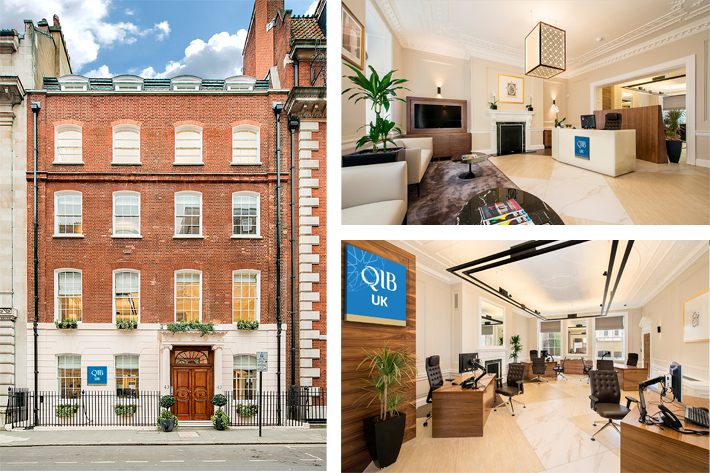
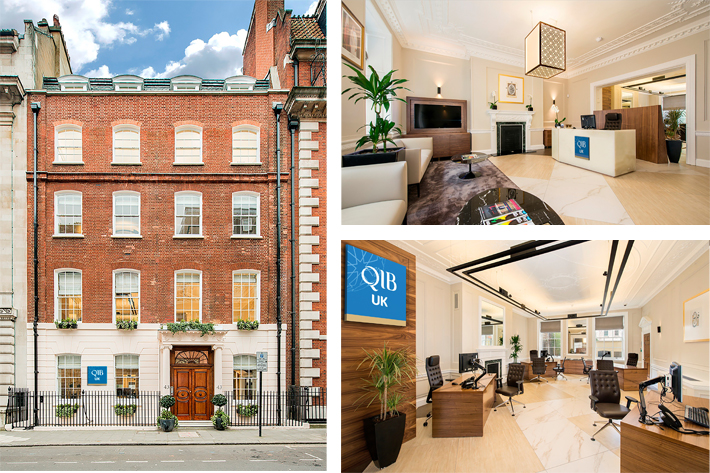
QIB’s London Private Banking team works daily with a broad range of PCL market participants, including landowners, investors, purchasers, developers, valuers and agents.
Generally speaking, market opinion, is that:
- The real costs of the Stamp duty increases, that triggered the PCL market Correction (long before Brexit became an issue), are now being absorbed in vendors’ property pricing and purchasers’ offers. In some cases, in particular sales of the final units in new build developments, vendors are paying purchasers’ Stamp duty in full.
- Brexit delivery uncertainties (and especially the prospect of a new General Election) may have changed purchasers’ perceptions of UK political risk, yet, the PCL market was busier this summer than last, with the number of buyers choosing to purchase in PCL rising 14% in Q3 2019 compared with Q3 2018 (LonRes).
- This improving performance was despite a suggestion by the new Prime Minister, that he may reduce the higher rates of Stamp duty. This suggestion had been expected by many to prompt purchasers to play a game of “wait and see” on imminent purchases, until any new Stamp duty rates are clarified in a Budget (LonRes).
- Knight Frank (“KF”) have reported that the ratio of new prospective KF Purchasers, to new KF property listings, climbed to 11.4x in August 2019, across PCL and Prime Outer London (“POL”)
- Despite any Brexit-related political uncertainty, the number of transactions in PCL has risen in 2019. In the six months to August 2019, KF carried out 13% more transactions than in the same period in 2018 – the highest figure for KF over the equivalent period since 2014.
- The level of viewings with KF over summer 2019 was higher than it has been in more than five years.
Perhaps Guy Gittins, CEO of Chestertons, one of the most respected multi-branch agents in PCL (and POL) expressed the current situation best:
“The level of Chestertons viewings over the summer was higher than it has been in more than five years, which underlines the current strength of demand. There were 16% more viewings over July and August than over the same period last year, as buyers respond to price adjustments and, in the case of overseas buyers, the weakness of the pound”.
In the opinion of QIB’s Residential Property specialists, now is a particularly interesting time for investors to be investigating some of the special PCL residential property opportunities (especially amongst new-build units) that QIB has access to.
Related News
 Digital
 Digital
 Digital
 Digital
 Digital
 Digital
 Digital
 Digital
 Digital
 Digital
 Digital
 Digital
15-07-2018

QIB Profit grows by 13.8% to reach QAR 1,325.3 Million for six months’ period ended 30th June 2018 Total Assets reach QAR 152.5 Billion
Read More
 Digital
 Digital
 Digital
18-10-2017
QIB Profit grows by 10.6% to reach QAR 1,775 Million for the nine months’ period ended 30th September 2017
Read More
 Digital
 Digital
 Digital
 Digital
 Digital
 Digital
16-04-2017
QIB Profit grows by 13% to reach QAR 555 Million for three month period ended 31st March 2017
Read More
 Digital
 Digital
 Digital
 Digital
 Digital
12-06-2016
QIB Named ‘Islamic Bank of the Year’ in Qatar and the Middle East by The Banker
Read More
 Digital
05-06-2016
QIB Recognised as “Best Bank in Qatar” at the Annual Euromoney Awards for Excellence
Read More
 Digital
20-04-2016
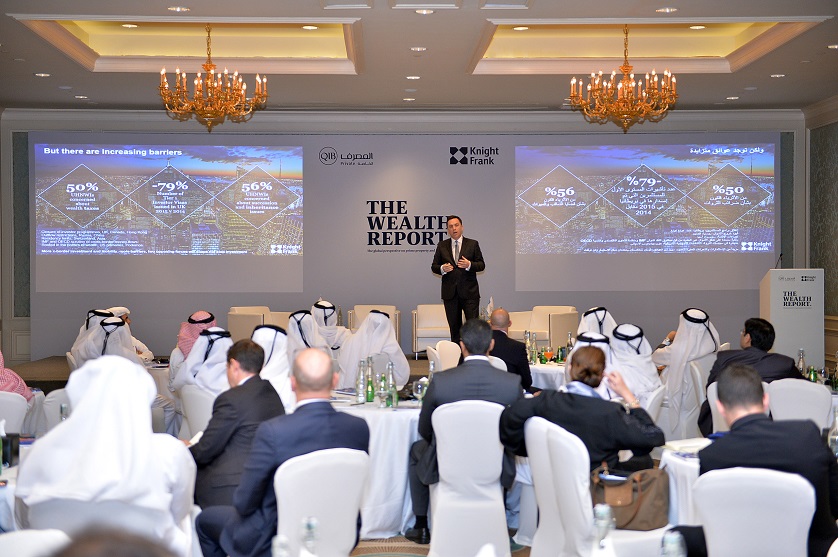
Qatar Islamic Bank Hosts Exclusive Preview of the Knight Frank 2016 Wealth Report
Read More
 Digital
 Digital
 Digital